
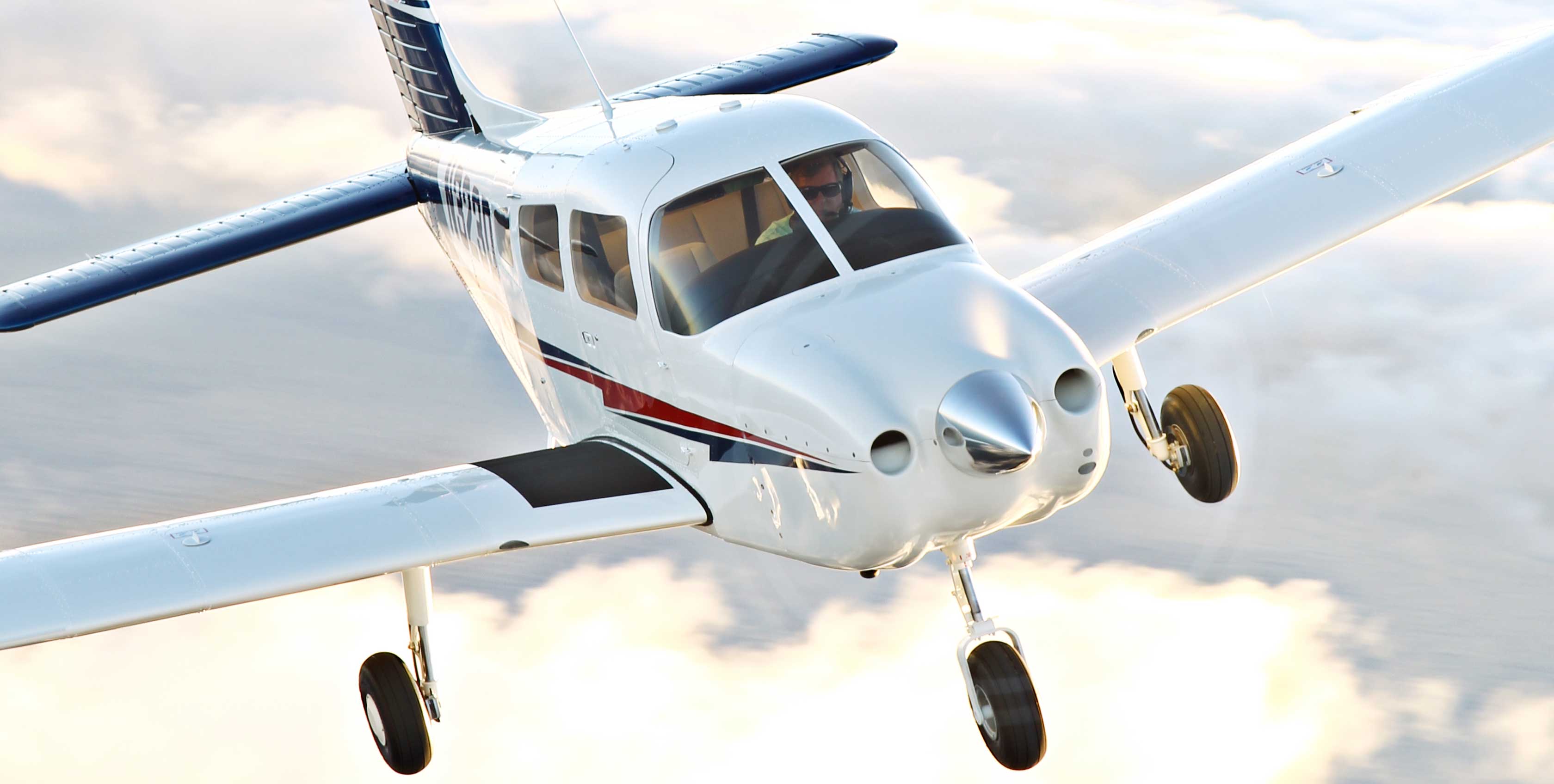
In the early stages of flight training, a student pilot learns the fundamentals of aerodynamics using small, single-engine aircraft like a Cessna 172 or a Piper Archer. These planes are designed to be forgiving and relatively simple to operate, allowing the pilot to master the basics of takeoff, landing, and navigation. However, the world of commercial aviation operates on a vastly different scale. When a pilot transitions from a flight school environment to the cockpit of a Boeing 737 type rating or an Airbus A320, they are moving into a machine of incredible complexity, speed, and weight. To ensure safety and standardized performance, aviation authorities require a specific certification known as a type rating. This is the ultimate milestone for any aspiring airline pilot, representing the bridge between general aviation and a professional career in the sky.
The Definition and Legal Requirement of a Type Rating
A type rating is an additional certification placed on a pilot’s license that authorizes them to act as a pilot-in-command or second-in-command of a specific “type” of aircraft. While a standard commercial pilot license allows you to fly for hire, it does not give you carte blanche to jump into any cockpit. Generally, a type rating is required for any aircraft with a maximum takeoff weight exceeding twelve thousand five hundred pounds or any aircraft powered by a turbojet engine. This requirement exists because high-performance jets have unique flight characteristics, complex automated systems, and specific emergency procedures that cannot be generalized across different models.
The process of earning this rating is essentially a specialized course that focuses exclusively on one aircraft model. For example, if a pilot is hired by an airline that flies the Boeing 787 Dreamliner, they must undergo a training program specifically designed for that airframe. Even within a single manufacturer, ratings are specific. A pilot rated to fly a Boeing 737 is not legally allowed to fly a Boeing 777 without undergoing a completely separate type rating course, as the systems, cockpit layouts, and handling characteristics are significantly different.
The Intensive Phases of Type Rating Training
The journey to earning a type rating is divided into three distinct phases, beginning with ground school. During this phase, pilots spend weeks in the classroom or using computer-based training modules to learn every nut and bolt of the aircraft. They study the electrical, hydraulic, pneumatic, and fuel systems in exhaustive detail. It is not enough to know how to move the controls; a professional pilot must understand exactly what happens behind the scenes when a switch is flipped. This phase concludes with a rigorous written or oral examination where the pilot must demonstrate a deep technical understanding of the airplane’s limitations and normal operating procedures.
The second phase involves fixed-base trainers and flight training devices. These are sophisticated simulators that do not move but replicate the cockpit layout exactly. Here, pilots practice “cockpit flows,” which are the choreographed sequences of checks and button-presses required for every phase of flight. This is where muscle memory is built. Pilots learn where every dial and switch is located so they can operate the aircraft efficiently under high-pressure situations. They also begin to learn the specific flight management computer systems that handle navigation and performance calculations.
Mastering the Full Flight Simulator
The pinnacle of type rating training takes place in a Level D Full Flight Simulator. these multi-million dollar machines are mounted on hydraulic motion bases that replicate every bump on the runway and every buffet of turbulence. The visuals and physical feedback are so realistic that the training is legally equivalent to flying the actual aircraft. In the simulator, the focus shifts from normal operations to abnormal and emergency scenarios. Pilots are put through grueling sessions involving engine failures on takeoff, hydraulic leaks, electrical fires, and severe weather recoveries.
This phase is designed to push the pilot to their limits in a controlled environment. Because it is too dangerous and expensive to practice an engine fire in a real hundred-million-dollar jet, the simulator allows pilots to see those scenarios repeatedly until their reactions are instinctive. The check-ride, which is the final evaluation by a designated examiner, takes place in this simulator. A pilot must demonstrate that they can safely manage the aircraft during both routine flights and the most catastrophic mechanical failures before the rating is officially granted.
Conclusion
A type rating is far more than just another check-box on a resume; it is a fundamental shift in a pilot’s identity. It transforms a general flyer into a specialist of a specific, complex machine. The transition from light aircraft to heavy jets requires a massive leap in technical knowledge, situational awareness, and manual flying skills. While the training is notoriously difficult and demanding, it ensures that every time a passenger steps onto a commercial flight, they are in the hands of a professional who has been tested against the most rigorous standards in the industry. For the aspiring pilot, the day they see that specific aircraft model printed on their license is the day their dream of a career in the airlines truly becomes a reality.
